Stand Mixer Bowl Won't Lock? Troubleshooting Steps
The secure locking of your stand mixer bowl prevents spills and ensures proper mixing. When your stand mixer bowl does not lock into place, it can be frustrating and interrupt your baking plans. This issue is common across various tilt-head stand mixer models, including popular KitchenAid Artisan and Classic series mixers, as well as competing brands like Martha Stewart. Understanding the potential causes and systematic troubleshooting steps can help you quickly resolve the problem.
Many stand mixers use a similar locking mechanism. The bowl sits on a base plate, and you twist it slightly to engage locking pins or tabs. A tilt-head design, as found in the KitchenAid Artisan Stand Mixer, offers easy access to the bowl and attachments, which also means easy access for inspecting the locking points.
Improper Bowl Placement or Orientation
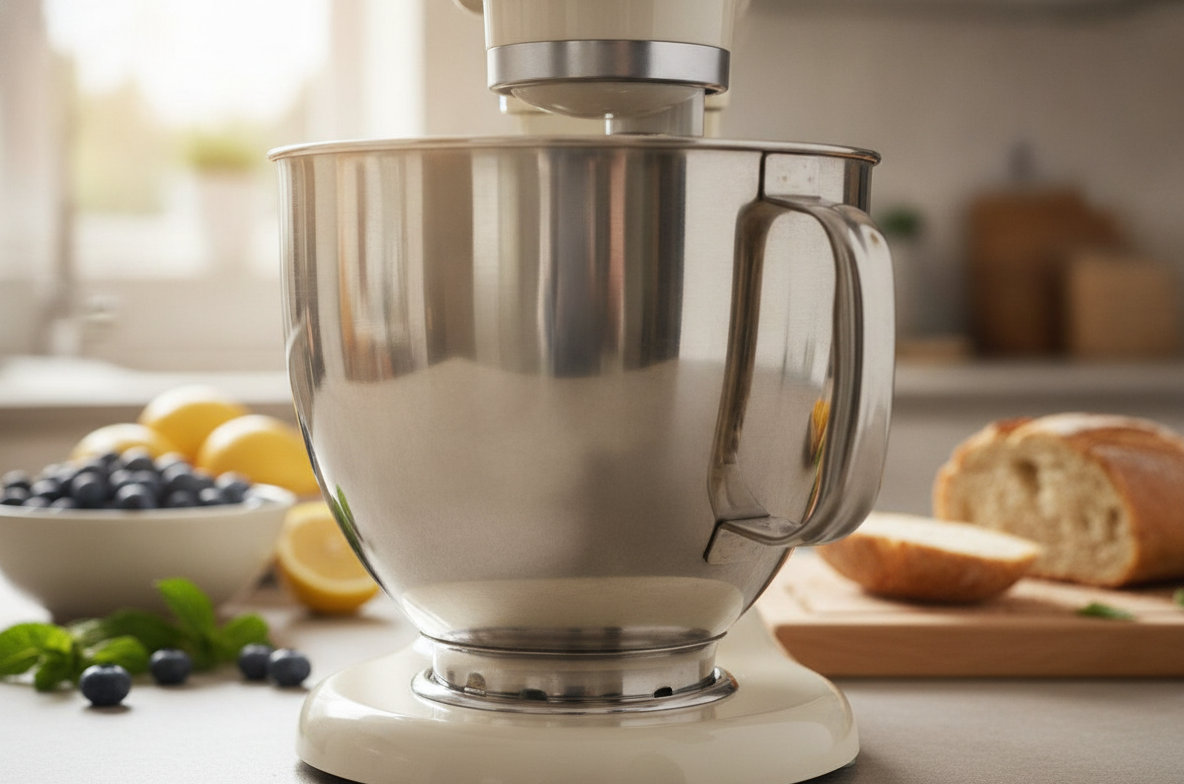
The most frequent reason a stand mixer bowl fails to lock is incorrect placement. Each bowl has specific grooves or tabs on its base that must align perfectly with the mixer's locking plate. If the bowl is not seated squarely on the platform or is not twisted fully into its locked position, it will not secure properly.
How to Check and Fix:
- Remove the bowl: Lift the bowl completely off the mixer base.
- Inspect the base: Look at the mixer's bowl platform. Identify the locking pins or grooves where the bowl is supposed to engage.
- Inspect the bowl: Examine the bottom of your stand mixer bowl for corresponding tabs or a rim designed to fit the mixer's base.
- Reseat the bowl: Place the bowl onto the mixer platform, making sure it sits flat. Gently twist the bowl clockwise until you feel it click or settle firmly into place. It should feel stable and resistant to lifting without first twisting it counter-clockwise.
Sometimes, a slight tilt of the mixer head can help you see the alignment better. Make sure the mixer head is fully locked down before attempting to lock the bowl. The KitchenAid Artisan Series 5 Quart Tilt Head Stand Mixer with Pouring Shield KSM150PS is built with a tilt-head design that allows for better access to the bowl, simplifying this inspection process. Its 5-quart stainless steel bowl with a comfortable handle is designed for secure placement.
If you are new to using a stand mixer or need a refresher on basic operation, our guide on How to Use a Stand Mixer: Speeds, Tools, and Care provides detailed instructions.
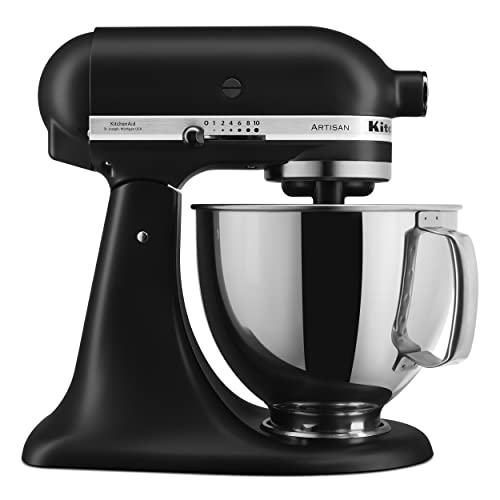
- Built to take it all on with the durable and built-to-last metal construction, and 59 touchpoints around the mixer bowl for great mixing results.. 5 Quart Stainless Steel Bowl with comfortable handle for small or large batches, to mix up 9 dozen cookies* in a single batch. Dishwasher safe. *Using the flat beater; 28g dough each.. Easily add ingredients with the tilt-head design, because you'll have better access to the bowl - lock the head in place while mixing.. 10 speeds for nearly any task or recipe, from mixing ingredients together on the stir speed, to whipping cream at speed 8, you'll get thorough ingredient incorporation every time.
Food Debris or Foreign Objects
Even a small amount of dried dough, batter, or a stray ingredient lodged in the locking mechanism can prevent the bowl from seating correctly. Over time, residue can build up, creating an obstruction that is not immediately visible.
How to Check and Fix:
- Thorough visual inspection: With the bowl removed, carefully examine the mixer's bowl platform and the underside of the bowl. Look for any dried food bits, crumbs, or other foreign objects that might be stuck in the grooves, around the locking pins, or on the bowl's rim.
- Clean the area: Use a stiff brush, a toothpick, or a damp cloth to remove any visible debris. Make sure the area is completely clean and dry before attempting to re-lock the bowl.
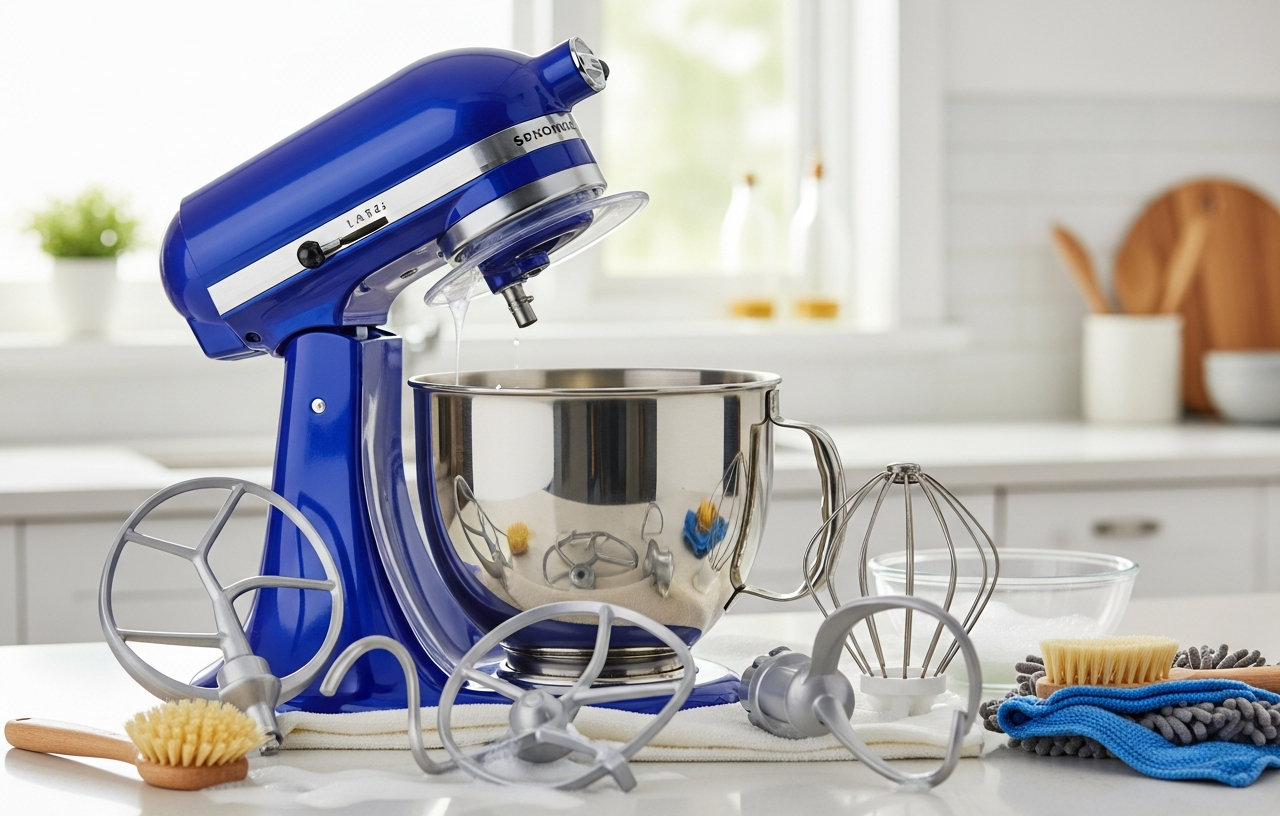
Regular cleaning is essential for preventing this issue. Proper care extends the life of your appliance and ensures smooth operation. You can learn more about maintaining your equipment in our article, How to Clean a Stand Mixer and Its Attachments Properly.
Bent Bowl or Damaged Locking Pins/Tabs
Stand mixer bowls are durable, but they can sustain damage if dropped or mishandled. A slight bend in the bowl's rim, a dent in its base, or damaged locking tabs can interfere with its ability to lock securely. Similarly, the locking pins on the mixer base itself can become bent or worn.
How to Check and Fix:
- Inspect the bowl's rim and base: Hold the bowl at eye level and rotate it, looking for any deformities, dents, or bends in the metal, particularly around the locking tabs or the rim that sits on the mixer.
- Examine mixer locking pins: With the bowl removed, check the locking pins or grooves on the mixer's platform. They should be uniform, straight, and free of significant wear or damage. Compare their appearance to online images of a new mixer if you are unsure.
- Test with another bowl (if available): If you have access to another compatible stand mixer bowl, try locking it into your mixer. If the second bowl locks correctly, your original bowl is likely the problem. Conversely, if neither bowl locks, the issue probably lies with the mixer's base.
A bent bowl is typically not repairable and would require replacement. The cost of a new bowl varies by brand and size but is generally a moderate expense. Damaged locking pins on the mixer base can sometimes be straightened carefully with pliers, but this should be done with caution to avoid further damage. If the pins are severely worn or broken, the entire locking plate might need replacement, which often requires professional service.
The KitchenAid Classic Series 4.5 Quart Tilt-Head Stand Mixer K45SS, like the Artisan, features a robust metal construction designed for durability, which helps protect these critical locking components.
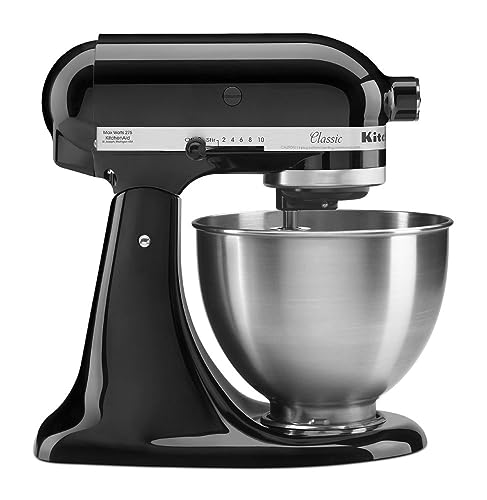
- Built to take it all on with the durable and built-to-last metal construction, and 59 touchpoints around the mixer bowl for great mixing results.. 4.5 Quart Stainless Steel Bowl to mix up to 8 dozen cookies in a single batch. Dishwasher safe. Using the flat beater; 28g dough each. Easily add ingredients with the tilt-head design, because you'll have better access to the bowl - lock the head in place while mixing. 10 speeds for nearly any task or recipe, from mixing ingredients together on the stir speed, to whipping cream at speed 8, you'll get thorough ingredient incorporation every time
Worn or Damaged Locking Plate/Spring Mechanism
Beneath the surface of the mixer's bowl platform, there is a locking plate and often a spring mechanism that helps secure the bowl. Over many years of use, these internal components can wear down, lose tension, or become damaged, preventing the bowl from locking firmly.
How to Check and Fix:
- Listen for the click: When you twist the bowl into place, you should hear a distinct click or feel it firmly settle. If this sensation is absent or weak, it might indicate a problem with the internal locking mechanism.
- Gentle pressure test: After placing the bowl, try to lift it slightly without twisting. If it lifts easily, the internal lock is not engaging.
Diagnosing and repairing internal locking plate or spring mechanism issues typically requires disassembling the mixer's head or base. This is a more complex repair that most home users should not attempt without experience. It often requires specialized tools and knowledge. Attempting to force or improperly repair these components can lead to further damage, potentially affecting other critical parts of the mixer.
The Martha Stewart 5.3Qt Stand Mixer, like many other tilt-head models, relies on a well-functioning internal locking system for its stainless steel bowl. While its 12 optimized speed settings are a key feature, the mechanical integrity of the bowl lock is just as important for daily use.

- 5.3QT STAINLESS STEEL BOWL: The polished 5.3-quart capacity easily handles large batches: mix dough, cake batter, and up to 9 dozen cookies with ease. 3 VERSATILE ATTACHMENTS: Includes a stainless steel whisk, dough hook, and flat beater with silicone edge for efficient, thorough mixing. 12 OPTIMIZED SPEED SETTINGS: Precision control lets you gently fold, thoroughly mix, or power through thick doughs for flawless results. TILT-HEAD DESIGN: Quickly access the bowl for adding ingredients, scraping sides, changing attachments, or checking progress
When to Call a Professional for Stand Mixer Repair
Minor adjustments, cleaning, or replacing a bent bowl are tasks many home bakers can handle. However, if the issue stems from internal components like worn springs, a damaged locking plate, or if you suspect a motor-related problem, it is best to consult a professional appliance repair technician. Attempting complex repairs yourself can void warranties or cause more expensive damage.
Professional repair costs can vary significantly based on the severity of the damage and labor rates. For internal mechanism repairs, you might expect costs ranging from a moderate to a substantial sum, depending on parts availability and complexity. Sometimes, the cost of professional repair approaches the price of a new mid-range stand mixer, making a replacement a more economical choice. Before committing to a repair, get a quote and compare it to the cost of a new mixer.
If you are considering a new stand mixer, our Stand Mixer Buying Guide: What Actually Matters Before You Buy can help you make an informed decision. For those interested in the differences between mixer types, our article Tilt-Head vs Bowl-Lift Stand Mixers: The Real Differences offers valuable insights.
Preventative Maintenance for Your Stand Mixer
Regular maintenance can significantly reduce the likelihood of your stand mixer bowl not locking. Here are some simple steps:
- Clean after every use: Always wipe down the mixer base, especially the bowl platform and locking areas, after each use to prevent food buildup.
- Handle bowls carefully: Avoid dropping or banging your mixer bowl. Store it in a way that protects its shape and locking tabs.
- Proper storage: When not in use, make sure the mixer head is locked down and the bowl is either stored separately or lightly seated without forcing the lock.
- Periodic inspection: Every few months, take a moment to visually inspect the bowl and mixer base for any early signs of wear or damage.
This will ensure your mixer remains a reliable tool in your kitchen for many years of baking enjoyment.