Understanding Stand Mixer Wattage
Stand mixer wattage specifies the electrical power consumed by the motor, typically ranging from under 250 watts for compact models to over 1000 watts for professional-grade machines. This figure represents the electrical input, not the mechanical power delivered to the mixing bowl. The actual mixing power, or torque, is influenced by the motor's design, internal gearing, and overall efficiency. For instance, a 325-watt tilt-head mixer may perform differently than a 325-watt bowl-lift model due to variations in motor type and transmission systems.
Most home stand mixers use either an AC (alternating current) or DC (direct current) motor. AC motors are common in many household appliances and are known for their durability and consistent speed. DC motors, often found in higher-end or professional models, offer more torque at lower speeds, which is advantageous for thick doughs. They often operate with greater efficiency, meaning they can deliver more power to the bowl with less electrical input.
Wattage Versus Mechanical Power and Torque
While wattage measures electrical consumption, the actual work a stand mixer performs is best understood through its mechanical power and torque. Torque is the rotational force applied to the mixing attachments, allowing them to push through thick batters and stiff doughs. A motor's wattage rating does not directly translate to its torque output.
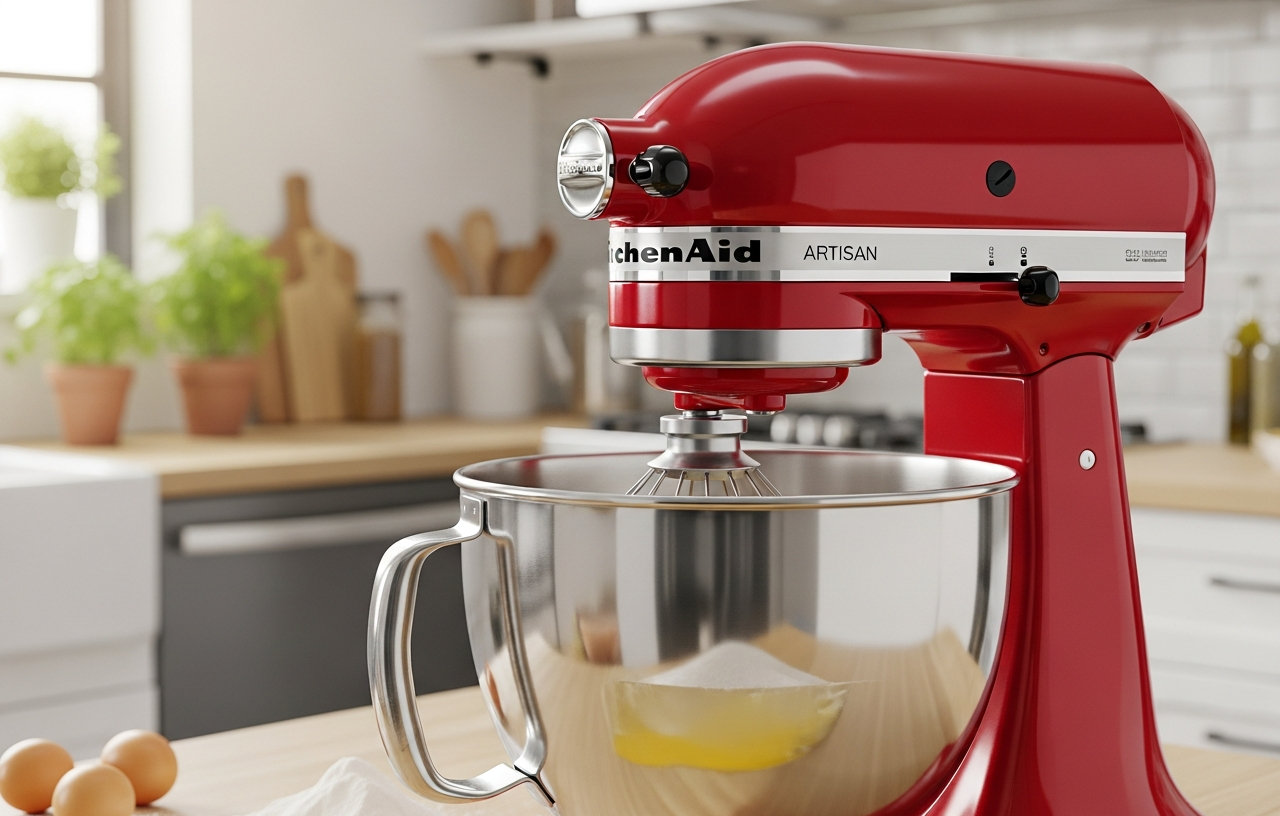
The internal gearing of a stand mixer plays a significant role in converting the motor's raw power into usable torque. A well designed gear system can multiply the torque, enabling a lower-wattage motor to handle demanding tasks. Some manufacturers, like KitchenAid, are known for their robust, all-metal gear systems that contribute to efficient power transfer. For example, a 325-watt KitchenAid Artisan mixer, with its planetary mixing action and efficient gearing, can effectively knead a double batch of bread dough, a task that might strain a higher-wattage mixer with less robust internal components.
Considering the mechanical power, sometimes measured in horsepower (HP), can offer a more direct comparison of mixing strength. However, many stand mixer manufacturers do not prominently advertise horsepower. When they do, it often refers to peak horsepower, which is the maximum power the motor can briefly achieve, not its sustained operating power. Focus on the combined effect of wattage, motor type, and gearing for a realistic assessment of a mixer's capability.
For more details on how different mixer designs impact performance, read our guide on Tilt-Head vs Bowl-Lift Stand Mixers: The Real Differences.
Does Higher Wattage Always Mean Better Performance?
A common misconception is that a higher wattage automatically signifies a superior stand mixer. This is not always the case. The efficiency of the motor and the quality of the transmission system are equally, if not more, important than the raw wattage figure.
- Motor Type: As mentioned, DC motors, even with comparable wattage ratings to AC motors, often provide greater torque, especially at lower speeds. This makes them more effective for heavy duty tasks like kneading stiff doughs without bogging down.
- Gearing and Construction: A mixer with strong, metal gears will transmit power more effectively and last longer than one with plastic gears, regardless of wattage. Efficient gearing allows a motor to work less strenuously to achieve the desired mixing action. The planetary mixing action, where the beater rotates in one direction while orbiting the bowl in the opposite direction, also plays a role in thorough mixing, independent of wattage.
- Thermal Overload Protection: Motors in high quality stand mixers include thermal overload protection. If the motor gets too hot due to prolonged heavy use, it will automatically shut off to prevent damage. A mixer that frequently triggers this protection, even with high wattage, indicates either insufficient power for the task or inefficient design.
Therefore, when evaluating a stand mixer, consider the overall build quality, motor type, and user reviews regarding performance under load, rather than relying solely on the wattage number. A 500-watt mixer with a robust DC motor and metal gears may outperform a 700-watt mixer with a less efficient AC motor and plastic components.
Typical Wattage Ranges for Stand Mixers
Stand mixers come in various sizes and power levels, each suited for different baking needs:
-
Compact/Entry-Level Mixers (250-325 watts): These mixers are ideal for occasional bakers or those with limited counter space. They handle lighter tasks such as whipping cream, beating egg whites, and mixing thin batters for cakes or cookies. They might struggle with very stiff doughs or large batches.
-
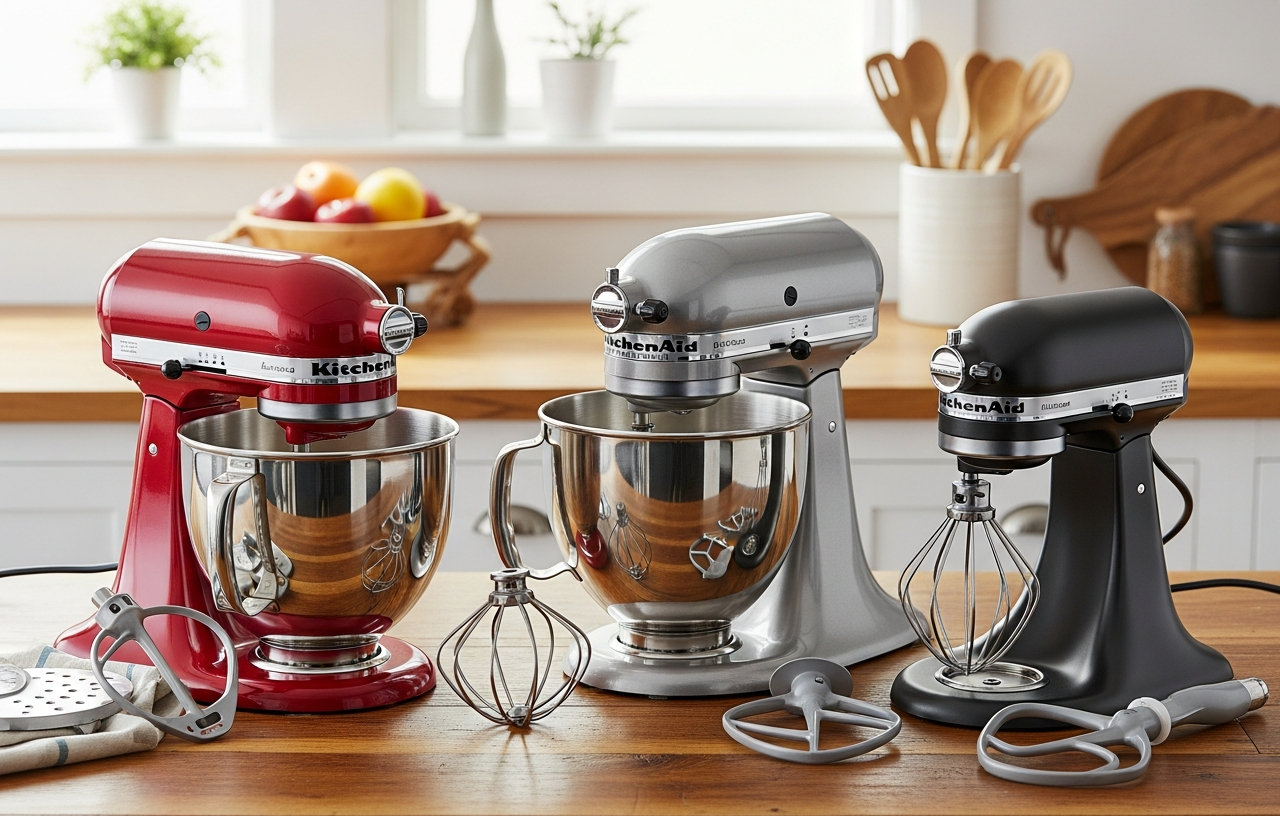
Mid-Range Home Mixers (325-500 watts): This category includes many popular models, such as the KitchenAid Artisan series. They are versatile and suitable for most home baking tasks, including regular cake batters, cookie doughs, and single or double batches of soft bread dough. Their motors are generally robust enough for consistent use without overheating.
-
heavy duty Home/Prosumer Mixers (500-750 watts): Often found in larger bowl-lift designs, these mixers are built for frequent, demanding tasks. They excel at kneading multiple loaves of dense bread dough, mixing large quantities, and running power-hungry attachments like meat grinders or pasta rollers. These often feature DC motors for better low-speed torque.
-
Commercial/Professional Mixers (750+ watts): Designed for continuous operation in a professional kitchen, these machines prioritize durability and raw power. They handle extremely large batches and very stiff doughs effortlessly, often featuring robust, heavy duty construction and powerful DC motors. These are typically overkill for the average home baker.
For a deeper understanding of what factors truly matter before buying, review our Stand Mixer Buying Guide: What Actually Matters Before You Buy.
Wattage for Different Baking Tasks
The wattage requirements of a stand mixer vary significantly depending on the type of task you intend to perform.
-
Light Tasks (Whipping Cream, Egg Whites, Meringues): These tasks require minimal power. Even a 250-watt mixer can easily achieve stiff peaks. The speed setting is more important here than sheer wattage.
-
Medium Tasks (Cake Batters, Cookie Doughs, Frostings): Most 300-watt to 400-watt mixers can handle these common baking activities without strain. The key is consistent power output and effective mixing action.
-
Heavy Tasks (Bread Dough, Pizza Dough, Bagels): Kneading stiff, yeasted doughs is the most demanding task for a stand mixer. For regular bread baking, especially with whole wheat or rye flours, a mixer in the 450-watt to 600-watt range is often recommended. Mixers with DC motors are particularly well-suited for this due to their high torque at lower speeds, preventing the motor from bogging down or overheating. A mixer with a robust 575-watt DC motor, for example, can handle up to 14 cups of flour for dense doughs.
-
Attachments (Pasta Rollers, Meat Grinders, Ice Cream Makers, Spiralizers): Many stand mixer attachments draw power directly from the mixer's motor. Attachments like pasta rollers and meat grinders require sustained torque, especially when processing tough ingredients. A mixer with a higher wattage motor, particularly one with a DC motor, will generally perform better and experience less strain when operating these attachments. Ice cream maker attachments typically do not require as much power once the mixture is chilled, but a strong motor helps maintain consistent churning. Spiralizers also benefit from consistent power for clean cuts.
If you plan to frequently make bread or use power-intensive attachments, opting for a mixer with higher effective power (not just wattage) is a sensible investment. For more information on mixers specifically designed for heavy doughs, see our article on Best Stand Mixers for Bread and Heavy Dough. You can also explore The Best KitchenAid Attachments, Ranked by What You Actually Use.
How Wattage Affects Durability and Longevity
The relationship between wattage and a stand mixer's durability is indirect but significant. A motor that is consistently overworked, either due to insufficient wattage for the task or poor design, will generate excessive heat. Heat is the primary enemy of electrical motors and can lead to premature wear and failure of components like windings and bearings.
A mixer with appropriate wattage and efficient gearing for its intended use will operate more smoothly and with less strain, extending its lifespan. For instance, a 500-watt mixer designed for heavy doughs will likely last longer under regular bread-making conditions than a 300-watt mixer forced to perform the same tasks. The internal components, such as gears and drive belts, are also subject to wear. A motor that strains causes more stress on these mechanical parts, accelerating their degradation.
high quality stand mixers often include sophisticated cooling systems and thermal overload protection to mitigate heat buildup. When a mixer's motor is adequately powered for its typical workload, it runs cooler and experiences less stress, contributing to greater reliability over many years of use. This is why investing in a mixer that matches your baking habits can offer better long term value.
Energy Consumption and Wattage
While wattage indicates the power a mixer draws, its actual energy consumption is measured in watt-hours (Wh) or kilowatt-hours (kWh), which factors in how long the appliance is used. A 500-watt mixer used for 10 minutes consumes less energy than a 300-watt mixer used for 30 minutes, even if the latter has lower wattage.
For most home bakers, the energy consumption of a stand mixer is relatively low compared to other kitchen appliances like ovens or refrigerators. Even a high-wattage mixer typically operates for short bursts, making its contribution to your overall electricity bill minimal. For example, a 500-watt mixer used for 15 minutes consumes 125 watt-hours (0.125 kWh). This is a small amount for most households.
Focusing on the mixer's performance and suitability for your tasks will provide more tangible benefits in your baking experience than worrying about marginal differences in energy consumption. The efficiency of the motor and gearing also plays a role here, as an efficient mixer completes tasks faster, potentially reducing overall run time and energy use.
Choosing the Right Wattage for Your Needs
Selecting a stand mixer with the appropriate wattage involves assessing your baking habits and the types of recipes you make most frequently:
-
Occasional Light Baking: If you primarily whip creams, mix cake batters, and make light cookie doughs a few times a month, a mixer in the 250-325 watt range will likely be sufficient. These models are often more compact and budget-friendly.
-
Regular Home Baking with Variety: For those who bake several times a week, including a mix of cakes, cookies, and occasional bread, a 325-500 watt mixer is a versatile choice. Many popular models fall into this category and offer a good balance of power and features.
-
Frequent Bread Making or heavy duty Use: If you regularly knead stiff bread doughs, make large batches, or plan to use power-intensive attachments like meat grinders or pasta makers, look for mixers in the 500-750 watt range. Prioritize models with DC motors and robust, all-metal gearing for the best performance and longevity under heavy loads.
-
Consider Bowl Capacity: The size of the mixing bowl often correlates with the mixer's motor power. Larger bowls (6 quarts and above) typically house more powerful motors designed to handle the increased ingredient volume. Make sure the wattage aligns with the bowl capacity to avoid overloading the motor. Our guide on What Size Stand Mixer Do You Need? Bowl Capacity Explained offers more insights.
Remember that wattage is just one piece of the puzzle. Evaluate the complete package, including motor type, gearing, build materials, and overall design, to make an informed decision for your kitchen. For a general overview of top performers, see our Best Stand Mixers of 2026: KitchenAid Artisan and More.