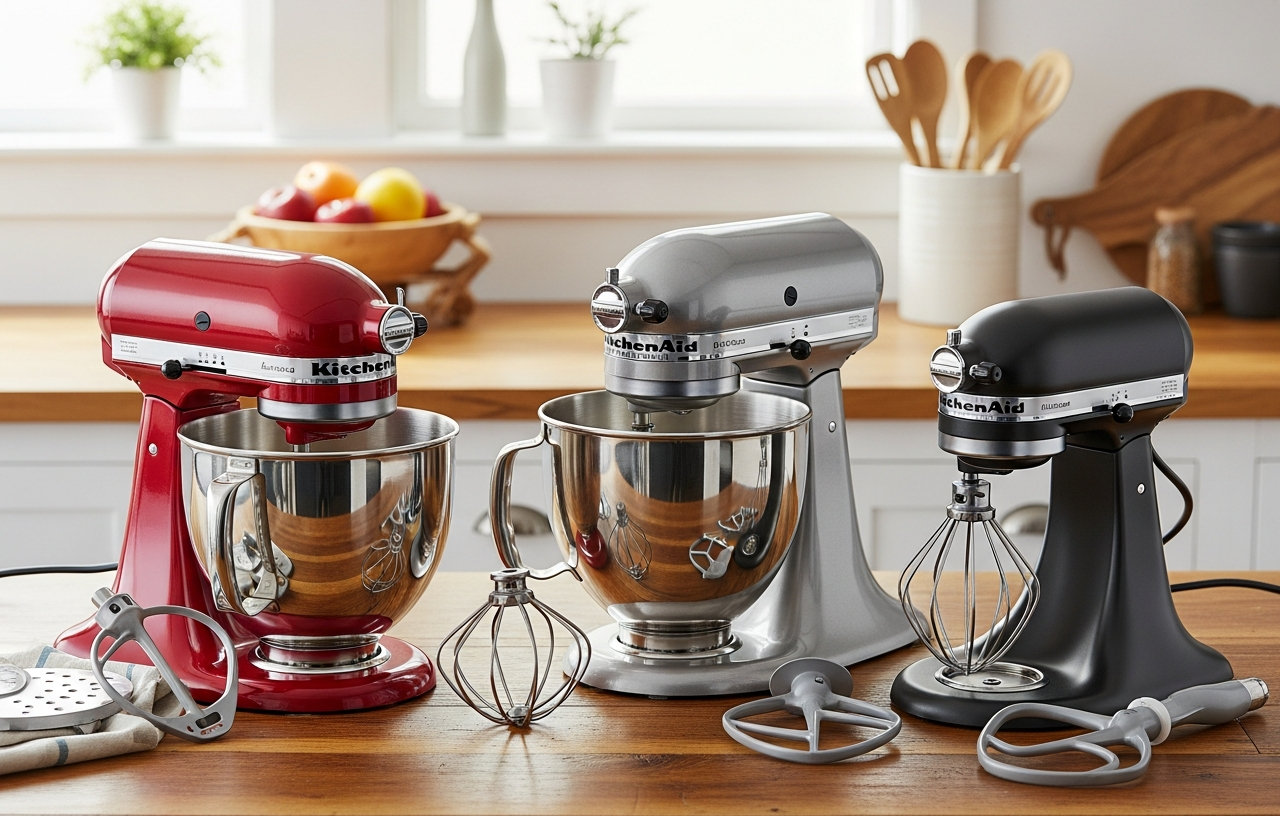
The cost of repairing a KitchenAid Artisan stand mixer can vary from a minimal investment for a simple part replacement to a more substantial outlay for complex internal issues. Owners face a decision: invest in repair or consider a new stand mixer. This choice often depends on the specific problem, the mixer's age, and the availability of parts and qualified technicians. Understanding the factors that influence repair costs helps home bakers make an informed decision about their KitchenAid Artisan model.
Common KitchenAid Artisan Issues and Repair Complexity
KitchenAid Artisan stand mixers are known for their robust build, but like any mechanical appliance, they can develop issues over time. Identifying the problem is the first step in estimating repair costs. Some problems are minor and easy to fix, while others indicate deeper, more expensive damage. The complexity of the repair directly correlates with its potential cost.
Typical Problems and Their Fixes
- Stripped Worm Gear: This is a common issue designed to protect the motor from overload. When the mixer is overtaxed, this plastic gear strips. Replacing it usually involves opening the mixer head, removing old grease, installing a new gear, and regreasing. It is a moderately complex DIY repair.
- Worn Carbon Brushes: Over time, the carbon brushes that conduct electricity to the motor can wear down, causing intermittent power or complete failure. Replacing brushes is a relatively simple and inexpensive repair, often accessible through a panel on the mixer.
- Speed Control Plate Issues: If the mixer struggles to maintain speed or offers inconsistent power, the speed control plate might be faulty. This involves opening the mixer and replacing an electronic component, which can be a delicate task.
- Motor Failure: This is the most serious and expensive problem. A burnt-out motor often means the mixer is beyond economical repair, as the cost of a new motor and professional labor can approach or exceed the price of a new KitchenAid Artisan stand mixer.
Many common issues with the KitchenAid Artisan model are repairable. The availability of replacement parts from KitchenAid and third-party suppliers supports a repair-first approach for many owners. However, the decision often comes down to the balance between parts cost, labor, and the overall value of the mixer.
Understanding Repair Costs: Parts, Labor, and Expertise
When considering the cost of KitchenAid Artisan stand mixer repair, two primary components contribute to the total: the price of replacement parts and the cost of labor. These factors can vary significantly based on whether you attempt a DIY fix or seek professional help.
Cost of Replacement Parts
Genuine KitchenAid parts are available through authorized service centers and online retailers. Generic or aftermarket parts can sometimes be found at lower prices, but their quality and compatibility may vary. For instance, a new worm gear might be a budget-friendly part, while a replacement motor is a premium component. Always make sure to source parts carefully, checking compatibility with your specific Artisan model. The cost of parts for common repairs like gears or brushes is usually quite reasonable.
Labor Costs Explained
Professional repair services charge for their time and expertise. These labor rates differ based on location, the technician's experience, and the complexity of the repair. If your mixer is still under warranty, KitchenAid may cover parts and labor for manufacturing defects. Always check your warranty status before seeking external repair.
Some repair shops offer diagnostic fees, which are often applied towards the total repair cost if you proceed. It is always wise to obtain a quote before authorizing any significant work. This helps you compare the repair cost against the price of a new mixer.
For a detailed breakdown of initial purchase costs, you can read our article on KitchenAid Stand Mixer Cost: What to Expect and Factors to Consider.
DIY vs. Professional Repair: Weighing the Options
Deciding between fixing your KitchenAid Artisan stand mixer yourself or taking it to a professional is a critical part of the cost calculation. Each option presents distinct advantages and disadvantages regarding cost, time, and potential outcomes.
The DIY Approach
Performing repairs yourself can significantly reduce costs, as you avoid labor charges. Many common KitchenAid Artisan repairs, such as replacing the worm gear or carbon brushes, are well-documented online with guides and videos. This approach requires a degree of mechanical aptitude, basic tools, and patience. The main cost here is for the parts themselves. However, improper assembly can lead to further damage, potentially increasing future repair expenses.
Professional Repair Services
Authorized KitchenAid service centers have specialized tools, genuine parts, and trained technicians who can diagnose and fix issues accurately. Professional repairs often come with a warranty on the work performed. While the labor costs add to the total, the assurance of a correctly functioning mixer can be worth the extra expense. This option is particularly sensible for issues involving electrical components or internal motor problems that require precise handling.
When to Repair Your KitchenAid Artisan Mixer
The decision to repair your KitchenAid Artisan stand mixer often hinges on the nature of the problem, the mixer's age, and your budget. Certain scenarios strongly favor repair over replacement.
Minor Issues and cost effective Repairs
If the problem is a known, common issue like a stripped worm gear, worn-out carbon brushes, or a minor electrical connection, repair is almost always the more economical choice. The cost of these repairs, even with labor, is usually a fraction of buying a new mixer. This extends the life of a valuable appliance without a significant financial burden.
Mixer Age and Condition
A relatively new KitchenAid Artisan mixer, especially one still under warranty, is a strong candidate for repair. Even if the warranty has expired, a mixer that is only a few years old still has many years of life left after a proper repair. The overall condition of the mixer also plays a role. If the housing is in excellent shape, the attachments are functional, and the general wear and tear are minimal, investing in a repair makes good sense. It helps you avoid the cost of a brand-new appliance while retaining an appliance you already know and trust.
When to Replace Your KitchenAid Artisan Mixer
There are specific situations where replacing your KitchenAid Artisan stand mixer becomes a more practical and economical decision than attempting a repair. This often involves significant damage or an older unit.
Major Motor Failure
If your KitchenAid Artisan mixer experiences a complete motor failure, the cost of repair can be prohibitive. Replacing the motor is a labor-intensive process, and the motor itself is a premium component. The combined cost of a new motor and professional labor can often approach or exceed the price of a new KitchenAid Artisan model. In such cases, the long term value of repairing an extensively damaged mixer diminishes considerably.
Older Mixers with Multiple Issues
An older KitchenAid Artisan mixer that is starting to show multiple signs of wear and tear, or that has required several repairs in a short period, might be signaling its retirement. If you are facing a significant repair on a mixer that is already many years old and has other minor but persistent issues, the cumulative cost of ongoing maintenance can quickly outweigh the benefit. Consider the lifespan you expect from a new mixer versus the continued investment in an aging one.
Considering Upgrades and New Features
Sometimes, the decision to replace is not just about repair costs but also about desired features. If you have an older Artisan model and a new mixer offers significant upgrades, such as a larger bowl capacity, a more powerful motor, or new attachment options, replacing might be appealing. For example, if you frequently bake large batches or heavy dough, upgrading to a KitchenAid Professional series might be a better long term investment. This is especially true if your Artisan mixer needs a costly repair. You can explore different models in our KitchenAid Stand Mixer Comparison: Artisan vs. Classic and More.
long term Value and the Replacement Decision
The ultimate decision to repair or replace your KitchenAid Artisan stand mixer comes down to a careful assessment of long term value. This involves looking beyond the immediate repair cost and considering the future performance and potential expenses associated with your mixer.
Assessing the Value of Repair
For mixers with minor, isolated issues, repairing is often the most cost effective path. A well-executed repair can extend the life of your KitchenAid Artisan for many more years, allowing you to continue enjoying its reliable performance without the expense of a new purchase. The Artisan series is known for its durability, and a single component failure does not necessarily mean the end of the appliance. Many home bakers find that a simple gear replacement gives their mixer a fresh start.
Evaluating the Investment in a New Mixer
If your mixer requires an expensive repair, particularly involving the motor, it is wise to compare that cost directly with the price of a new KitchenAid Artisan or a comparable model. New mixers come with a full warranty, the latest features, and the assurance of a fresh start. While the upfront cost is higher, it eliminates the risk of immediate future repairs. Consider how much you use your mixer and how critical it is to your baking routine. If you are a frequent user, the investment in a new, reliable appliance may be justified.
Making the Best Choice for Your Kitchen
Ultimately, the choice between repairing your KitchenAid Artisan stand mixer and buying a new one is personal. It balances financial considerations, your comfort with DIY tasks, and your specific baking needs. For many, the KitchenAid Artisan represents a significant investment, and prolonging its life through repair is a sensible approach. For others, the opportunity to upgrade or simply have a brand-new appliance outweighs the repair cost. Evaluate the specific problem, get repair estimates, and then consider the current market for new mixers to make the decision that best serves your long term kitchen needs.
For more insights into what makes the Artisan a popular choice, refer to our KitchenAid Artisan Stand Mixer Review: Is It Worth It?
To help guide your choice of a new mixer, our Best Stand Mixers of 2026: KitchenAid Artisan and More guide provides comprehensive recommendations.