The real cost of a KitchenAid stand mixer is not a single figure; it reflects a spectrum of models designed for different baking demands and budgets. Entry-level models offer foundational mixing capabilities, while premium versions provide robust power and capacity for advanced users. The money you spend directly correlates with factors like motor strength, construction materials, bowl size, and included attachments.
Understanding KitchenAid Stand Mixer Cost Tiers
KitchenAid offers a range of stand mixers, each positioned within a general cost tier. These tiers are largely defined by their features, power, and capacity, influencing how much a KitchenAid stand mixer costs.
Entry-Level Mixers: The KitchenAid Classic
The KitchenAid Classic series represents the entry point for many home bakers. These models typically feature a 4.5-quart mixing bowl and a tilt-head design. They are well-suited for lighter baking tasks, such as cookies, cakes, and occasional bread dough. The Classic model provides reliable performance for everyday use without the premium features found in higher-tier mixers.
Mid-Range Mixers: The KitchenAid Artisan and Deluxe
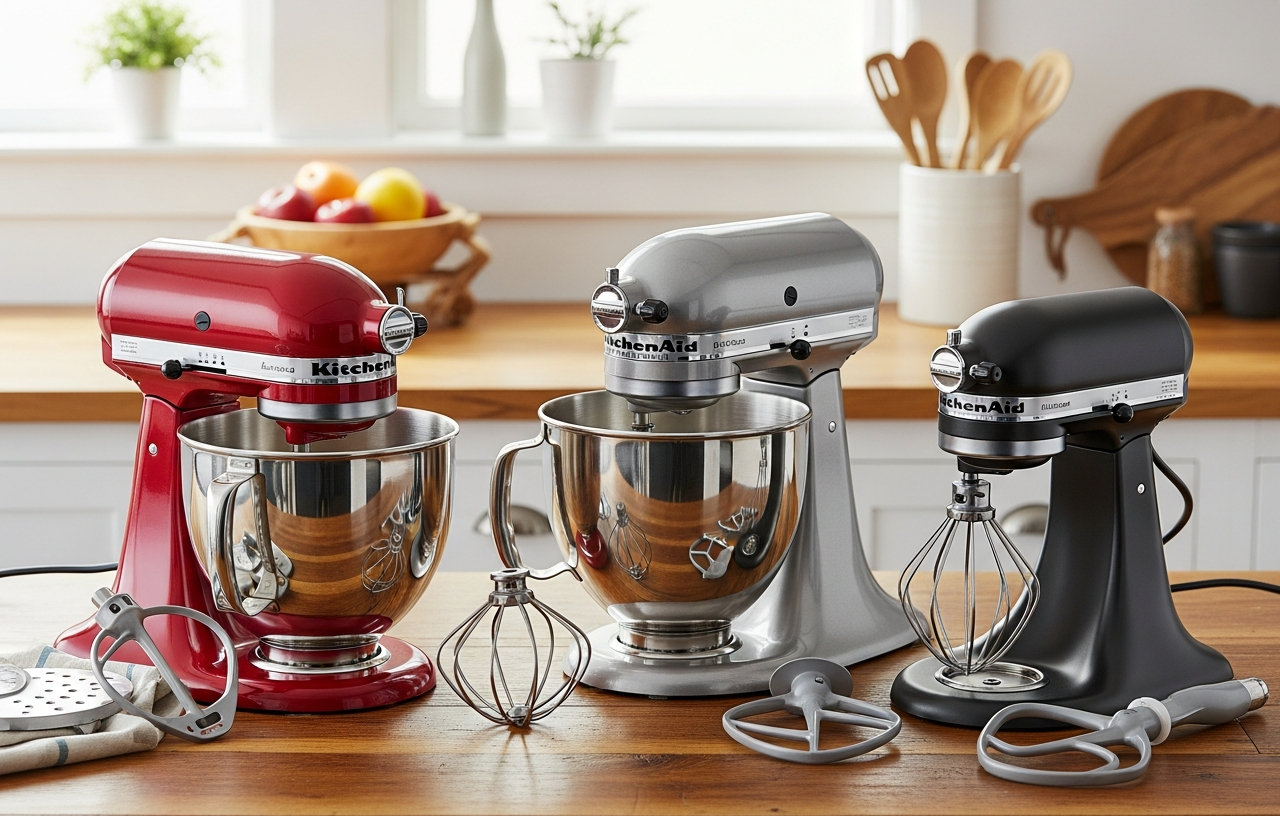
Moving up, the KitchenAid Artisan and Deluxe series are popular choices for enthusiastic home bakers. These mixers often come with a 5-quart bowl, a more powerful motor than the Classic, and a wider array of vibrant color options. They retain the convenient tilt-head design but offer enhanced capacity and durability for more frequent and varied baking projects. The Artisan series is a common choice for those seeking a balance of features and cost.
Premium Mixers: KitchenAid Professional and Commercial
At the higher end of the spectrum are the KitchenAid Professional, Pro Line, and Commercial series. These models are built for heavy duty use, featuring larger bowl capacities (ranging from 5 to 8 quarts) and powerful, efficient motors, often with a bowl-lift design. The bowl-lift mechanism provides greater stability when mixing dense doughs or large batches. These mixers are designed for serious home bakers, small businesses, or anyone who bakes frequently and needs a robust, long-lasting machine. The increased power and capacity contribute to a higher cost.
For more details on comparing these popular models, consider reading our article on KitchenAid Stand Mixer Comparison: Artisan vs. Classic and More.
What Drives the Cost of a KitchenAid Mixer?
Several core components and design choices significantly impact how much a KitchenAid mixer costs. Understanding these factors helps explain the differences across models and tiers.
Motor Power and Performance
The motor is the heart of any stand mixer, and its power directly affects performance and cost. KitchenAid mixers come with motors of varying wattages and types. Entry-level models typically have less powerful motors, sufficient for most common recipes. Mid-range models offer increased wattage, handling slightly larger or tougher mixes with ease. Premium and professional-grade mixers feature robust motors, often DC (direct current) motors, which are known for their efficiency and ability to maintain power under heavy loads. These more powerful motors are essential for mixing stiff bread doughs, large batches, or dense batters without straining. The engineering behind these high-performance motors contributes to a higher overall cost. However, subtle differences in materials and internal components can affect the price. Higher-end models often feature more heavy duty metal gears and robust housing designed for extended use and longevity. The craftsmanship and quality control involved in manufacturing these durable machines also play a role in their cost. A mixer built with superior materials can withstand years of rigorous baking, offering a better long term return on investment compared to alternatives with more plastic components.
Bowl Size and Design
The capacity of the mixing bowl is another significant cost factor. KitchenAid offers bowls ranging from 3.5 quarts in compact models up to 8 quarts in commercial designs. Larger bowls require a more substantial mixer frame and a more powerful motor to handle the increased load. Stainless steel is the standard material, but some models offer glass or ceramic bowls, which can add to the cost due to material expense and weight. The choice between a tilt-head or bowl-lift design also impacts the price. Bowl-lift models, typically found in professional series, offer greater stability and often accommodate larger bowls, contributing to their higher cost. Tilt-head designs are generally more compact and found in entry to mid-range models.
Consider our detailed comparison if you're weighing your options: Tilt-Head vs Bowl-Lift Stand Mixers: The Real Differences.
Included Attachments and Accessories
Every KitchenAid stand mixer comes standard with a flat beater, wire whip, and dough hook. However, the specific finish of these attachments (e.g., coated, burnished, or stainless steel) can vary between models and tiers. Some premium bundles might include additional accessories like a pouring shield or a different type of beater. Beyond the standard inclusions, KitchenAid is famous for its vast ecosystem of optional attachments, such as pasta makers, meat grinders, and ice cream makers. While these are purchased separately, the potential for expanding the mixer's functionality adds to its overall value proposition. The cost of these individual attachments can add up, but they extend the utility of the core machine significantly.
To explore the best add-ons, read The Best KitchenAid Attachments, Ranked by What You Actually Use.
Special Editions and Aesthetics
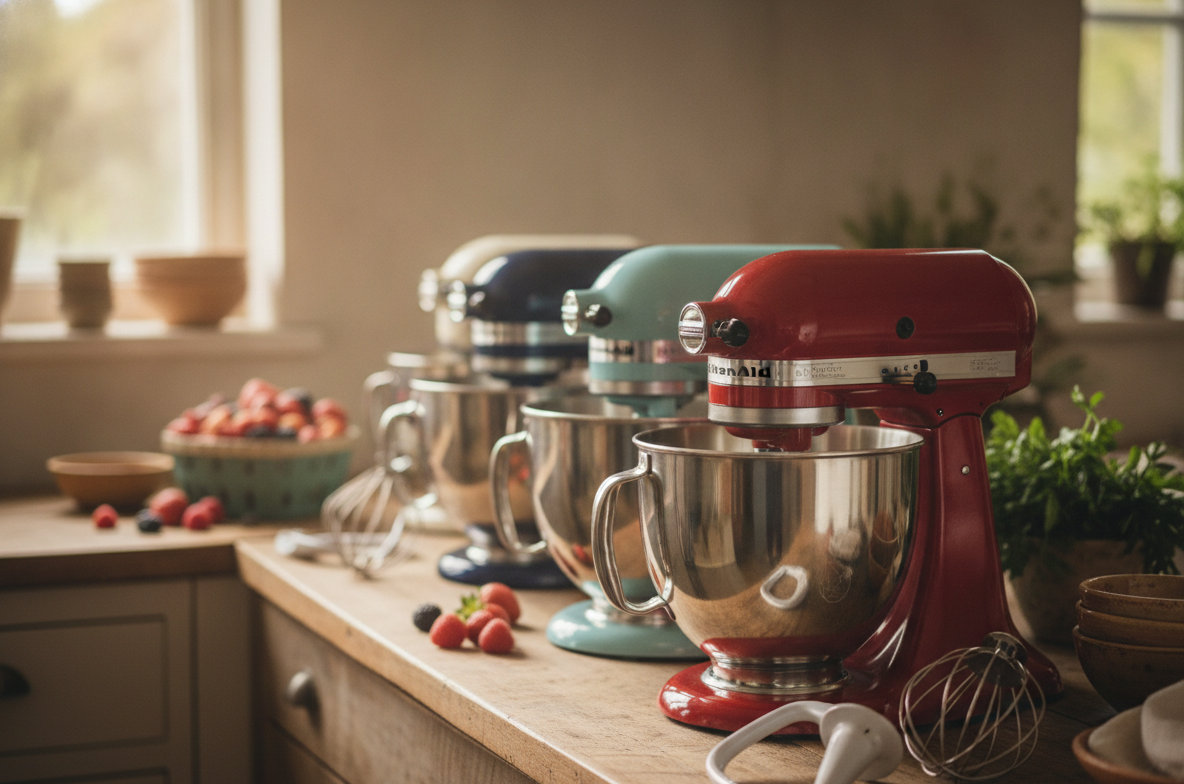
KitchenAid is known for its wide palette of colors and special edition finishes. While the core functionality remains the same, certain limited edition colors or textured finishes can carry a premium price tag. These aesthetic choices cater to consumers who view their stand mixer as a kitchen centerpiece and are willing to invest in a specific look. This is purely an aesthetic cost driver, distinct from performance-related factors.
The Cost of Shipping a KitchenAid Mixer
Many consumers wonder, how much does it cost to ship a KitchenAid mixer? Stand mixers, especially the larger KitchenAid models, are heavy and bulky. This weight and size contribute to higher shipping costs compared to smaller kitchen appliances. However, many major retailers frequently offer free shipping promotions, particularly for larger purchases. It is always wise to check the shipping policy of the retailer before finalizing your purchase. For international shipping or expedited delivery, expect additional charges based on distance and speed of service.
Understanding KitchenAid Mixer Repair Costs
Even with their reputation for durability, a KitchenAid mixer may occasionally require repair. How much does it cost to repair a KitchenAid mixer depends on the specific issue, the cost of parts, and whether you opt for professional service or a DIY approach. Common repairs might involve replacing gears, brushes, or the speed control plate. Parts are readily available from KitchenAid and authorized service centers, which helps with the cost of ownership. Many common issues can be addressed with readily available parts, making repairs feasible. For complex motor issues, professional service is often recommended. While a repair incurs a cost, it is typically much less than replacing the entire unit, especially for premium models.
long term Value: When to Invest More
Considering how much a KitchenAid stand mixer costs should also involve its long term value. KitchenAid mixers are known for their exceptional durability and longevity. Many bakers report their mixers lasting for decades, often becoming family heirlooms. This extended lifespan means the initial investment, even for a premium model, can be amortized over many years of reliable use. Cheaper, less robust stand mixers might save money upfront but could require replacement sooner, ultimately costing more in the long run. An investment in a higher-tier KitchenAid mixer often translates to fewer breakdowns, consistent performance, and the ability to handle a wider range of tasks, making it a wise choice for serious bakers.
Before making a decision, consider if a stand mixer is right for your needs. Read Are Stand Mixers Worth It? An Honest Look Before You Spend.
Making Your Decision: When to Spend Up or Save
Deciding how much to spend on a KitchenAid mixer depends entirely on your personal baking habits and aspirations. If you are an occasional baker who primarily makes cookies, cakes, and light batters, an entry-level Classic model will likely meet your needs perfectly. It provides the core functionality at a more accessible cost.
For those who bake frequently, experiment with various recipes, or regularly prepare denser items like bread dough, investing in an Artisan or even a Professional series mixer is often justified. The increased motor power and capacity will prevent strain on the machine and offer a more satisfying baking experience. These models are built to endure the demands of consistent, heavy use. Ultimately, the best KitchenAid stand mixer for you is one that balances its cost with your practical requirements and how often you plan to use it.
For a comprehensive overview of top models, visit our main guide: Best Stand Mixers of 2026: KitchenAid Artisan and More.